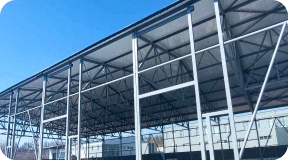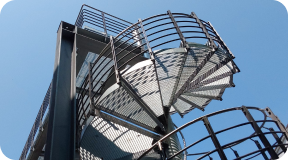
Mastering Every Situation, from Standard to Special Structures
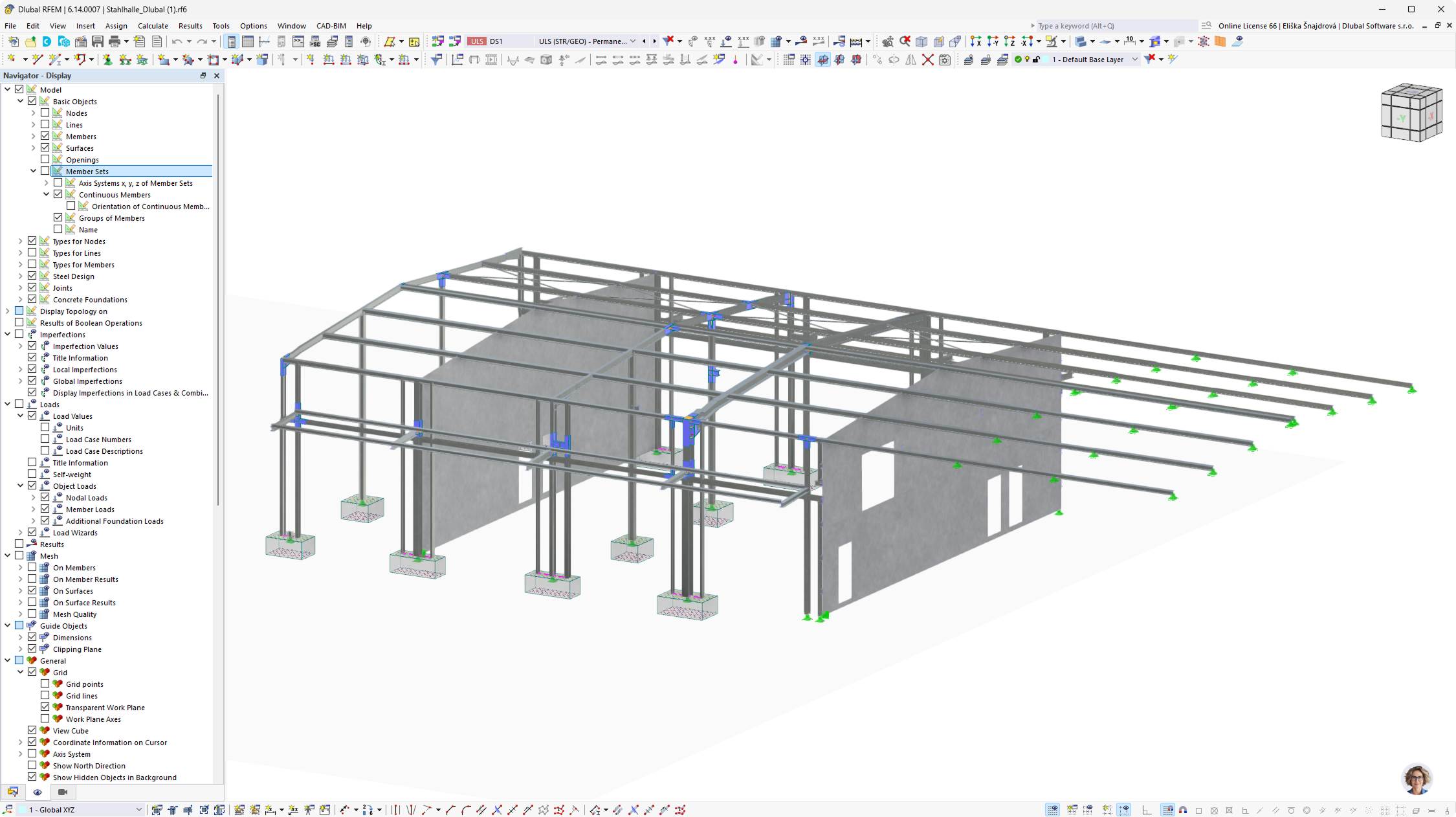
Engineering offices specializing in steel structures regularly face the challenge of reliably handling both routine design tasks and complex special structures using a single software environment. At Blanke + Zollner Ingenieure, the project portfolio ranges from conventional steel halls and industrial structures to special structures and detailed analyses that fall outside standard solutions. Manually determining load assumptions—especially for large, spatially complex models—is time-consuming and prone to errors. The team needed a platform that would enable them to handle both routine and special tasks with equal reliability and precision.
Integrated Steel Structure Design in RFEM Environment
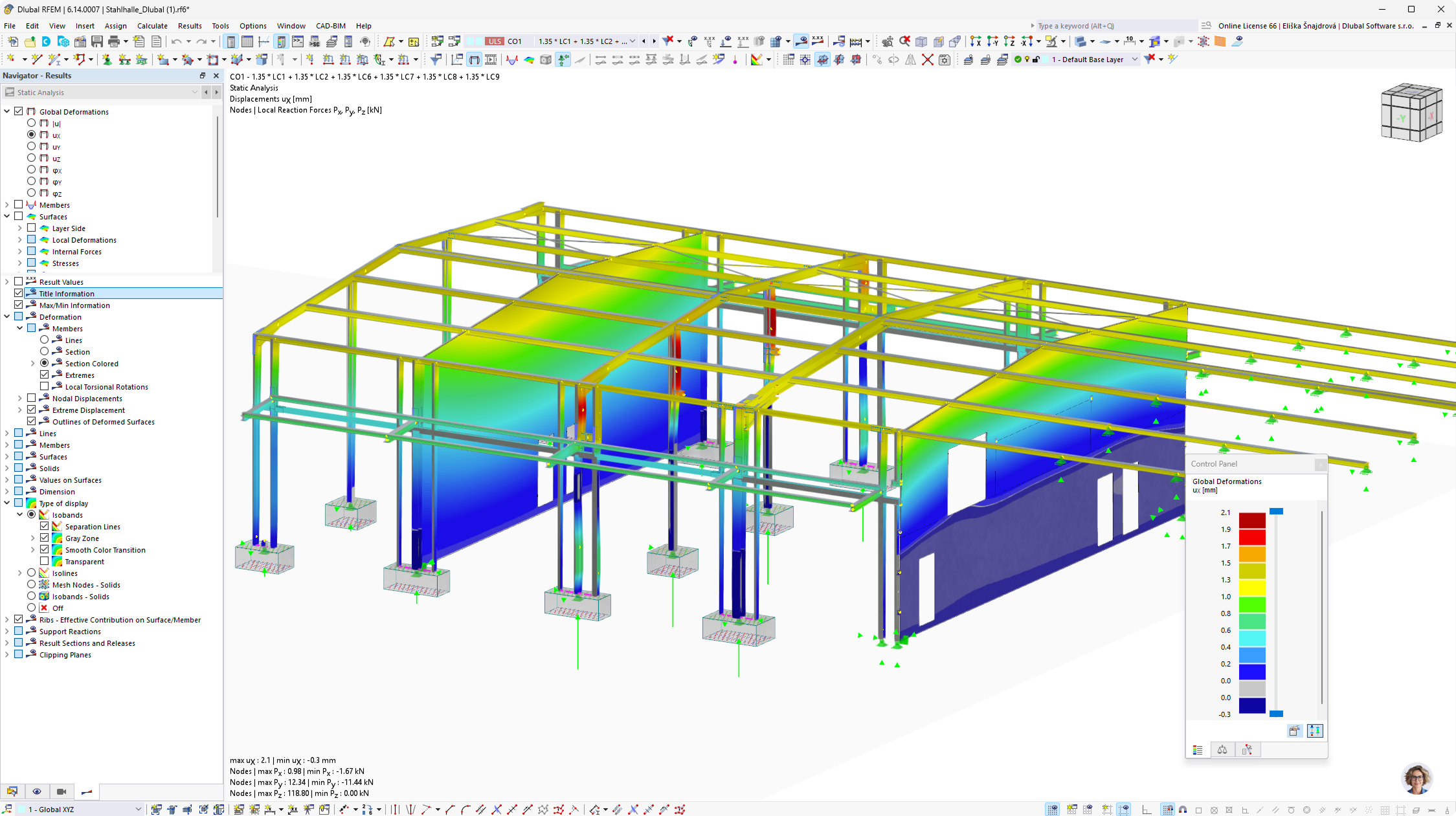
RFEM provides Blanke + Zollner engineers a flexible 3D modeling platform for the entire spectrum of structural design. Together with the add-ons Steel Design, Steel Joints, and Concrete Foundations, all required design checks can be performed in a unified software environment—without having to switch between different tools. The Member Loads from Area Loads wizard eliminates the need to manually determine member loads, while the integrated wind load generator allowed for a 30% reduction in wind loads for one project, leading to an efficient solution. The clear structure of the input tables and the transparent display of the results enable a reliable evaluation of even complex structural systems.
Advantages of Using Dlubal Software
- Complete design checks in a single environment — Steel design, joint design, and concrete foundations are handled within an integrated workflow—without switching tools, and with consistent, verifiable documentation.
- Significant time savings during load input — The Member Loads from Area Loads wizard automates the derivation of line loads from surface loads and saves considerable effort when working with larger 3D models.
- Optimized wind load calculation — The integrated wind load generator delivers precise results according to standards; in one project, wind loads were reduced by 30%, which directly contributed to the efficiency of the structure.
- Reliable for Standard and Special Structures — Thanks to its wide range of modeling and analysis options, RFEM is equally suitable for classic steel halls as well as for complex special structures.